Will Hamilton
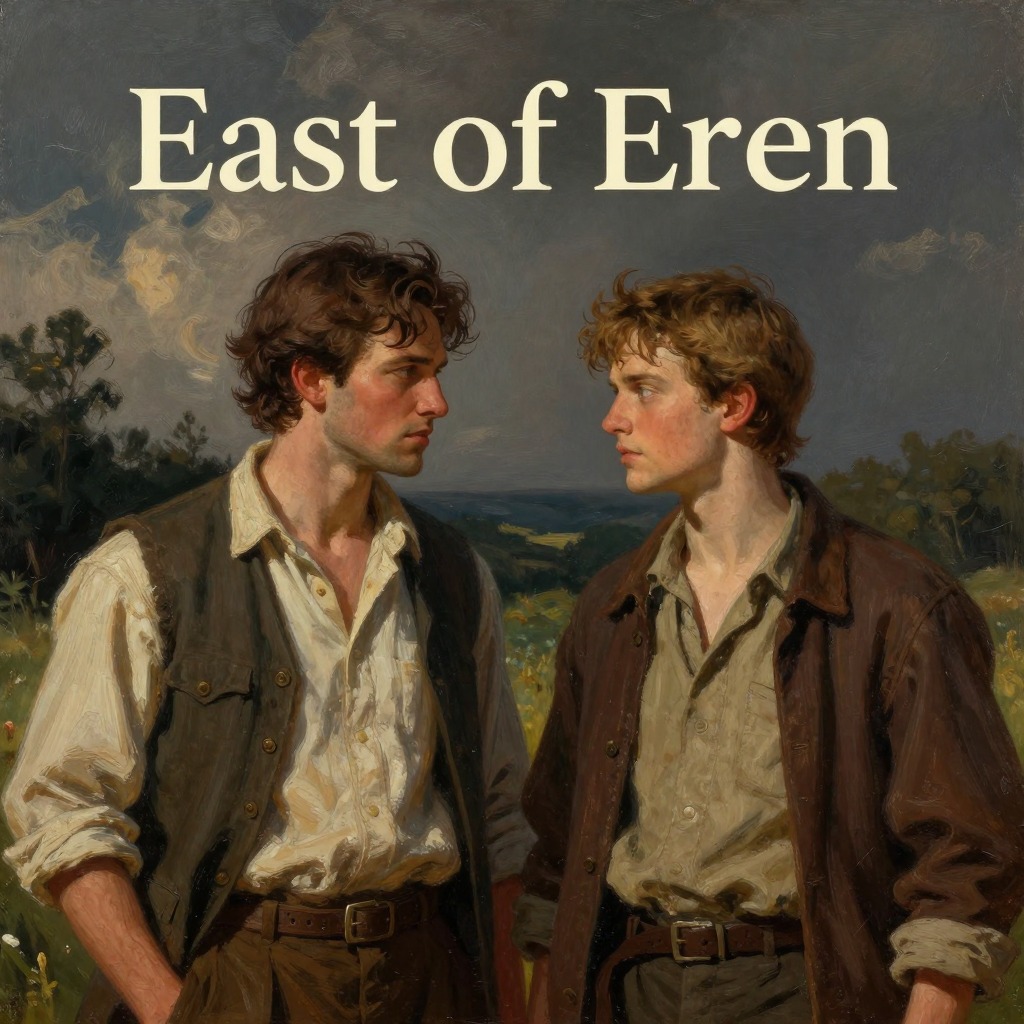
Will Hamilton, the third son of Samuel and Liza Hamilton, stands as the family's most pragmatic and commercially successful member, a man whose life was defined by a steady, unflashy accumulation of wealth and influence that contrasted sharply with the brilliant, often tragic trajectories of his father and siblings. From childhood, he was a conservative, a hard worker who avoided ideas and innovations, finding them revolutionary and distasteful. This temperament, perhaps forged in the early years when his father Samuel was regarded with suspicion as a foreigner and a man of ideas, made Will the family's anchor in the material world. While Samuel could not make money, Will could not help making it, and his gifts were the ones he could appreciate: luck, industry, and a sound business judgment that turned every venture into profit.
Rise to Prosperity and Business Acumen
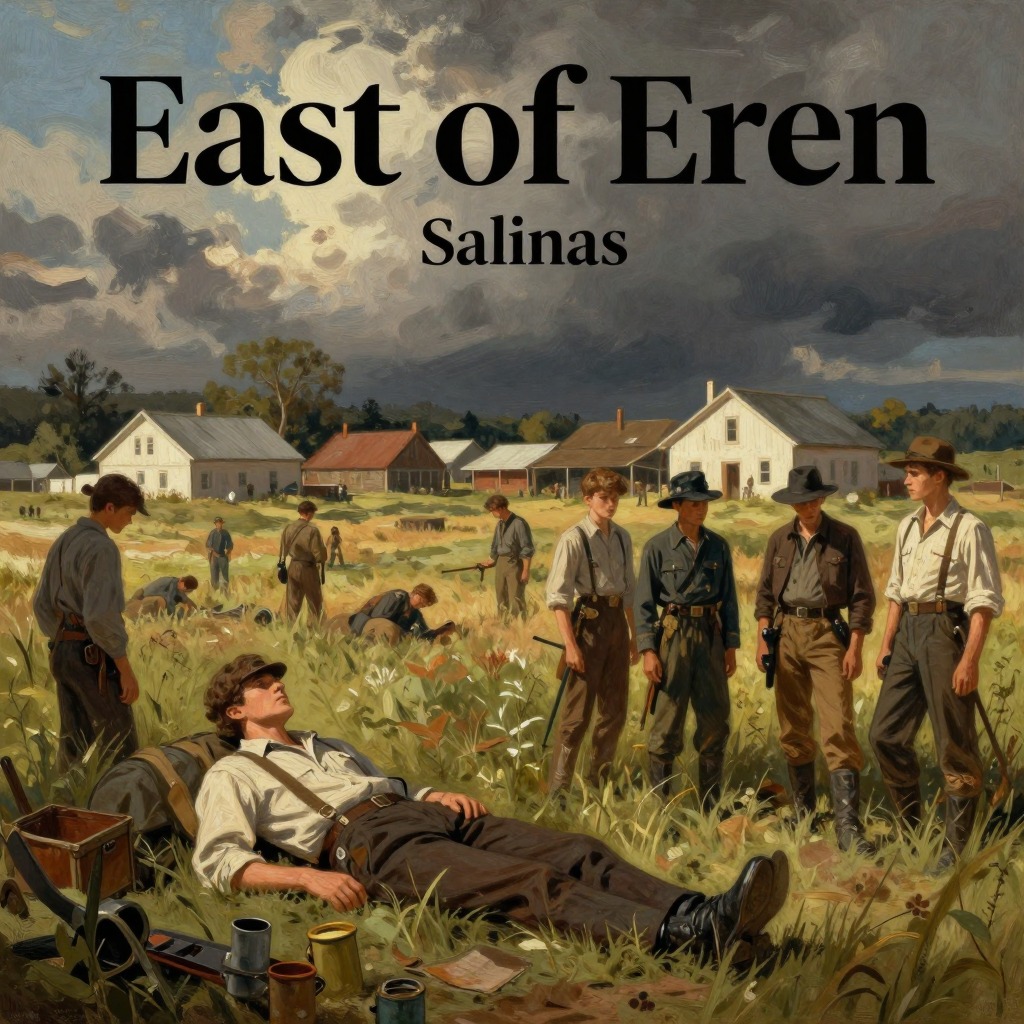
Will's fortune was built not on grand inventions but on seizing practical opportunities. As a young man, he lent a pittance to two bankrupt friends for a one-third interest in their store; within a year it was on its feet, expanding into a great mercantile system that would dominate a large part of the area. He took over a bicycle-and-tool shop for a bad debt, and when the first automobiles appeared, his mechanic worked on them. Pressure from a determined poet named Henry Ford led Will to accept the southern half of the Salinas Valley as his exclusive Ford agency, and within fifteen years the valley was two-deep in Fords and Will was a rich man driving a Marmon. He became a key figure in the county, a man whose advice was sought on business matters, and he served as a mentor to Cal Trask, recognizing in the dark, ambitious boy a kindred spirit. His office, a glass cage in his garage, was the center of his operations, and he loved the movement of commerce around him, though he often felt that his family—the brilliant Samuel, the brooding Tom, the beautiful Mollie—despised him for his one ability to get and keep money.
Role in the Trask Family's Affairs
Will's relationship with Adam Trask was complex, marked by a mixture of genuine friendship and shrewd business sense. He sold Adam his first Ford, a Model T, and later, when Adam lost a fortune on a failed lettuce-shipping venture, Will was quick to recall that he had warned against it. He offered Adam sound, conservative advice, urging him to plant beans for the war effort rather than pursue risky refrigeration schemes. It was Will who partnered with Cal Trask in the bean speculation that netted fifteen thousand dollars, recognizing the boy's sharpness and honesty. He was also the one who, after the death of his father Samuel, tried to manage the family's grief and practical affairs, though his efforts to orchestrate a visit for his parents were seen through by Samuel himself. Will's role was often that of the practical executor, the one who kept the books, hired the attorneys, called the undertaker, and paid the bills, a service for which he felt his family never fully appreciated him.
Character and Thematic Significance
Will Hamilton is a study in the quiet, often unacknowledged strength of the pragmatist. He was a man of deep, hidden emotion, who loved his family doggedly and fought bitterly for their recognition, even as he believed they were ashamed of him. His jealousy of their brilliance was a secret pain he carried all his life. Yet, he was also capable of profound understanding, as when he recognized in Cal Trask a son he should have had, a brother, a father. His advice to Cal—to use candor as a weapon—and his own naked honesty in their conversation reveal a man of unexpected depth. Will's life, with its focus on business and material success, provides a necessary counterbalance to the novel's exploration of good and evil, choice and destiny. He represents the world of commerce and practical reality, a world that, while often seen as antithetical to the higher pursuits of the Hamiltons, is shown to have its own kind of integrity, loyalty, and even love. His final act of burning the incriminating photographs from Kate's house, at the request of Sheriff Quinn, demonstrates a profound, if unspoken, sense of honor and a desire to protect the community from the destructive power of secrets.